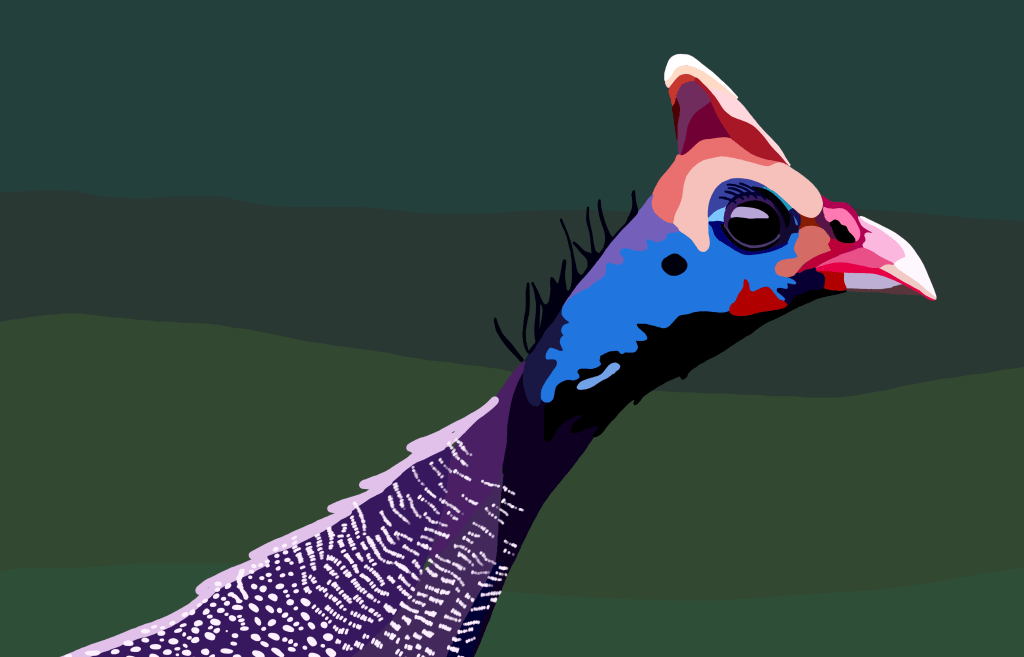
When we think of exotic or unique birds, species like peacocks or toucans might come to mind. However, the Helmeted Guinea Fowl deserves just as much attention for its fascinating characteristics and vital role in the ecosystems where it thrives. Known for its distinct appearance, social behavior, and adaptability, this bird is one of nature’s more underappreciated wonders. Let’s take a deeper dive into the world of the helmeted guinea fowl to understand why it’s so special.
Appearance: A Bird Like No Other
The Helmeted Guinea Fowl (scientific name: Numida meleagris) is instantly recognizable thanks to its striking looks. Its body is covered in black or grey plumage adorned with white polka dots, but it’s the helmet-like casque on top of its head that gives it its name. This bony protrusion is thought to protect the bird as it forages through dense brush or fights with other guinea fowl during the mating season.
Unlike many other birds, the helmeted guinea fowl’s plumage doesn’t offer the vibrant colors we associate with tropical species. Instead, it boasts a subtle but beautiful combination of blue-grey hues and delicate white spots. Despite its relatively subdued colors, the guinea fowl’s quirky look and animated behavior make it an attention-grabber wherever it goes.
Behaviour: Social and Vocal
Helmeted guinea fowl are highly social birds that are often found in groups. They travel, forage, and rest in flocks, using their numbers as a defense mechanism against predators. When a threat is detected, these birds are known for their loud, repetitive calls—a sort of natural alarm system for the flock. In the wild, you can often hear them before you see them!
Interestingly, while they can fly short distances, helmeted guinea fowl prefer to escape predators by running. They’re incredibly fast on foot, reaching speeds of up to 35 km/h (22 mph) when in danger. At night, though, they roost in trees to avoid ground-based predators like jackals, foxes, or snakes.
Habitat: Where to Find the Helmeted Guinea Fowl
Native to Sub-Saharan Africa, the helmeted guinea fowl has adapted to a wide range of environments, including grasslands, savannas, scrublands, and even semi-arid regions. Over time, these birds have been introduced to other parts of the world, including Southern Europe, the Caribbean, and even the United States, where they are often domesticated on farms for pest control and meat.
In the wild, they thrive in habitats with open ground and scattered trees or bushes, where they forage for seeds, fruits, and insects. Thanks to their adaptable nature, helmeted guinea fowl are often found near human settlements, where they help control insect populations by feeding on pests like ticks, locusts, and other crop-damaging insects.
Guinea Fowl and Pest Control: Nature’s Natural Exterminators
Helmeted guinea fowl have earned a reputation as one of nature’s most effective pest controllers. In regions where they are domesticated, farmers often allow flocks to roam free in fields and gardens, where they feast on harmful insects, including ticks that spread Lyme disease. Their natural inclination to forage on the ground makes them excellent at covering large areas quickly, eliminating pests in a sustainable, eco-friendly way.
Unlike chickens, guinea fowl don’t scratch at the soil, so they don’t disturb plants as they go about their work. This makes them ideal for maintaining pest control in gardens and fields without damaging crops. It’s no wonder that many farmers and homesteaders view these birds as valuable additions to their land.
Role in Ecosystems: A Vital Species
While they may seem like quirky, noisy birds, helmeted guinea fowl play a vital role in the ecosystems where they live. By feeding on a wide range of insects and small invertebrates, they help keep pest populations in check. Their foraging also helps disperse seeds, aiding in plant regeneration and the overall health of their habitats.
Their position in the food chain is also significant. As prey for a variety of predators, including large birds of prey, wildcats, and snakes, they support the diets of these animals, maintaining the balance of the ecosystem.
Fun Fact: Helmeted Guinea Fowl in Ancient Mythology
The helmeted guinea fowl isn’t just a bird of the wild—it has roots in ancient mythology. In Greek mythology, the guinea fowl was linked to the story of Meleager, a hero who fought in the famous Calydonian boar hunt. According to legend, after Meleager’s death, his mourning sisters were transformed into guinea fowl by the goddess Artemis, and their spots represent their tears. Because of this myth, the guinea fowl is often associated with mourning and remembrance in some ancient cultures.
Conservation: The Helmeted Guinea Fowl Today
While helmeted guinea fowl are not currently considered endangered, their populations are subject to pressures from habitat loss and hunting in some regions. As their natural habitats are increasingly used for agriculture or urban development, these birds may face future conservation challenges. Thankfully, their domestication has provided them with a wider geographical range, but preserving their natural environments remains essential for maintaining healthy wild populations.
Bringing the Helmeted Guinea Fowl Into Your World
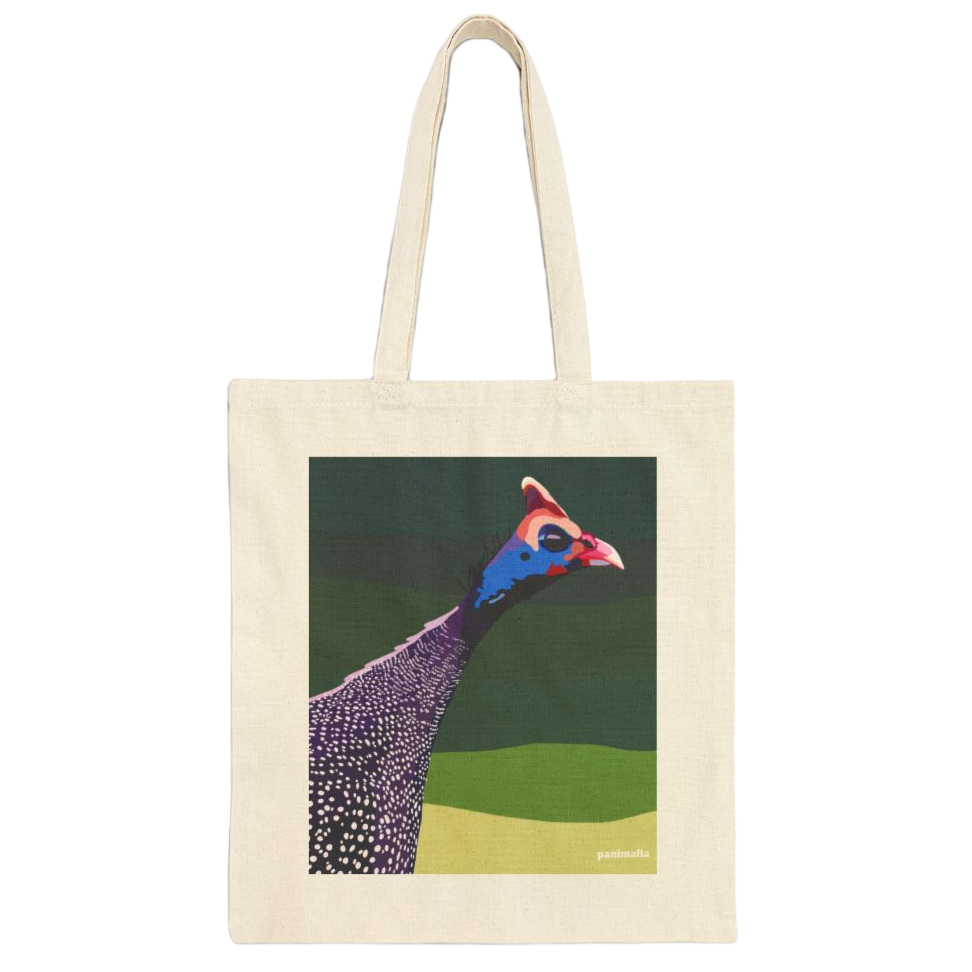
If you’ve fallen in love with this unique bird, there’s a way to show your appreciation and help support wildlife conservation efforts at the same time. Our Helmeted Guinea Fowl tote bag features a beautiful hand-drawn illustration of this fascinating bird. Perfect for daily use, this eco-friendly bag allows you to carry a piece of nature with you while contributing to important conservation efforts. With every purchase, $1 is donated to the World Wildlife Fund, supporting wildlife around the globe.
Conclusion
The helmeted guinea fowl may not be as flashy as some of its avian counterparts, but its quirky charm, impressive speed, and social intelligence make it a bird worth celebrating. Whether in the wild or domesticated on farms, these birds are vital to ecosystems and play a crucial role in natural pest control. By learning more about them, we can better appreciate the important contributions they make to their environments and support efforts to protect their habitats for future generations.
#GuineaFowl #WildlifeConservation #BirdLovers #SupportConservation #HelmetedGuineaFowl #EcoFriendlyFashion #Nature
 Welcome to Panimalia co.
Leave a comment