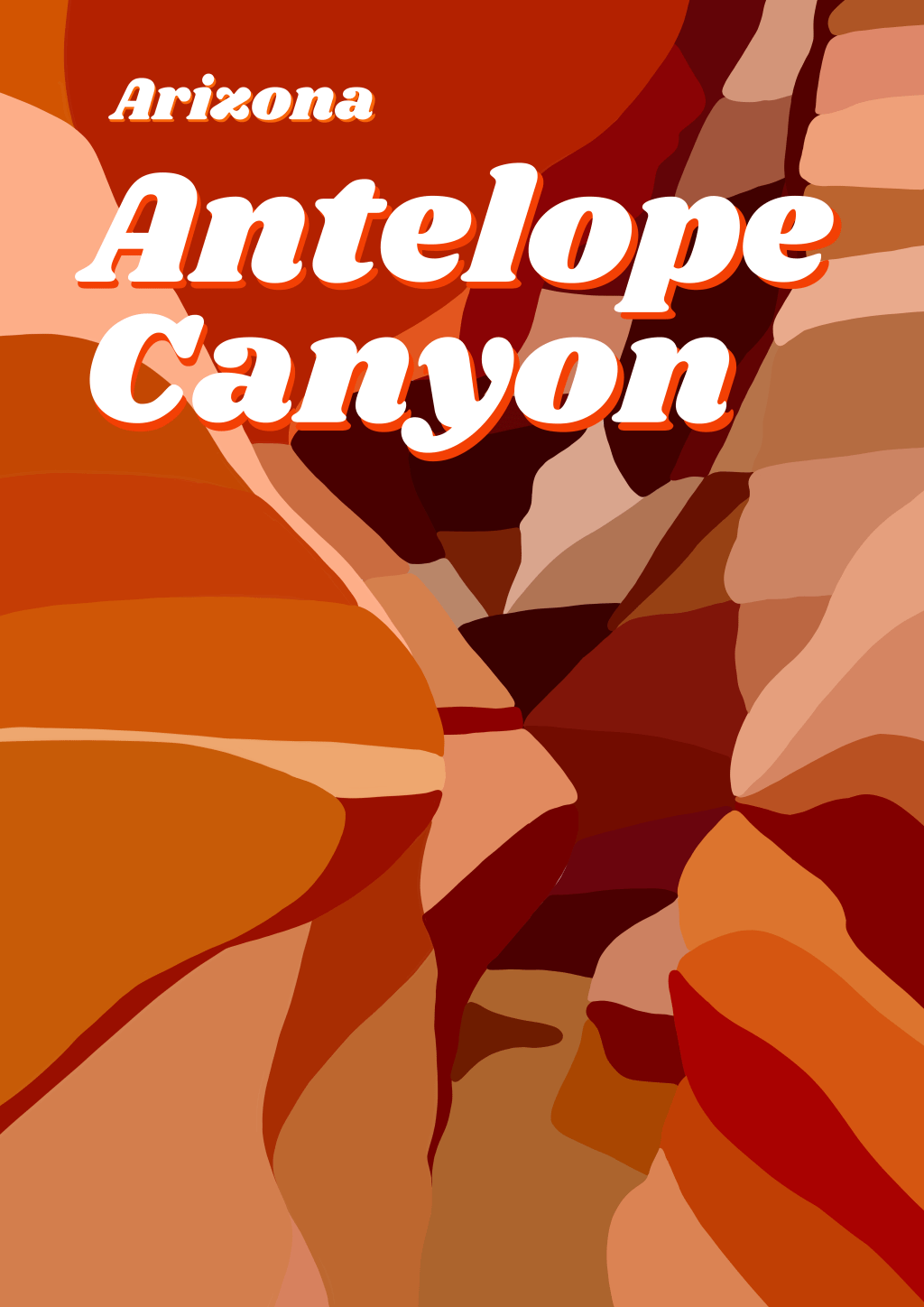
Set in the heart of the American Southwest, Antelope Canyon is one of the most stunning natural wonders in Arizona. Known for its ethereal beauty and otherworldly landscapes, this slot canyon has become a must-see destination for photographers, adventurers, and nature lovers alike. With its narrow, winding passageways and dramatic light beams, Antelope Canyon offers an unforgettable experience that feels like stepping into a painting.
A Brief Introduction to Antelope Canyon
Antelope Canyon is a slot canyon located near Page, Arizona, on Navajo land. It’s divided into two distinct sections—Upper Antelope Canyon (or “The Crack”) and Lower Antelope Canyon (or “The Corkscrew”). Both sections are famous for their unique sandstone formations, created over thousands of years by the forces of wind and water erosion.
- Upper Antelope Canyon is the more famous and accessible of the two, especially known for the breathtaking light beams that penetrate the canyon during certain times of the day. These beams, which occur primarily during the summer months, are a sight to behold, creating shafts of sunlight that illuminate the canyon walls in a display of vivid colors.
- Lower Antelope Canyon offers a more adventurous experience. While it doesn’t have the same famous light beams, it boasts equally stunning rock formations, with winding paths and narrow passageways that offer incredible photo opportunities.
The Beauty of Light and Stone
The main draw of Antelope Canyon is its mesmerising play of light and shadow. As the sun moves across the sky, light filters down through narrow openings in the canyon’s ceiling, casting beams and illuminating the soft red, orange, and purple hues of the canyon walls. These natural spotlights shift in intensity and color as the day progresses, transforming the canyon into a constantly changing landscape of shapes, textures, and colors.
The smooth, flowing curves of the sandstone walls are the result of flash flooding over millions of years. Water, rushing through the narrow canyon, has carved the stone into graceful shapes and curves, making the canyon walls look like waves frozen in time. This combination of natural forces creates a visual masterpiece, making Antelope Canyon one of the most photographed slot canyons in the world.
The Magic of Upper and Lower Antelope Canyon
Each section of Antelope Canyon offers a unique experience, and choosing between them often depends on what kind of adventure you’re seeking.
Upper Antelope Canyon
- Accessibility: Upper Antelope Canyon is easier to access, making it popular for visitors of all ages. The flat, sandy floor of the canyon makes for an easy walk, and no climbing is required.
- Iconic Light Beams: One of the key reasons photographers and travelers flock to Upper Antelope Canyon is to witness the famous light beams, which are especially prominent from mid-March to early October, typically around midday when the sun is directly overhead.
- Photography: Upper Antelope Canyon is a photographer’s dream. The light beams create stunning effects, casting a spotlight on the intricate curves of the canyon walls. Tour guides often assist with tossing sand into the beams, enhancing their visibility for dramatic photos.
Lower Antelope Canyon
- More Adventurous: Lower Antelope Canyon offers a bit more adventure compared to its upper counterpart. To explore the canyon, you’ll need to navigate some narrow passageways and descend via ladders, which adds to the excitement.
- Fewer Crowds: While still popular, Lower Antelope Canyon is less crowded than Upper, offering a more intimate experience. The twisting, narrow paths and dramatic angles make it just as captivating as Upper Antelope, with some visitors preferring its less touristy feel.
- Photography: Although Lower Antelope lacks the dramatic light beams, its tighter spaces and curvier walls offer equally spectacular photo opportunities. The colors tend to be richer and more vibrant in the morning and late afternoon when the sunlight hits at a lower angle.
Visiting Antelope Canyon: What You Need to Know
Since Antelope Canyon is located on Navajo land, all visitors must join a guided tour to explore either Upper or Lower Antelope Canyon. Here’s what you need to know before planning your visit:
- Booking a Tour: Reservations are highly recommended, especially during peak season (spring and summer). Several Navajo tour companies offer guided experiences, and it’s essential to choose a reputable operator. For photographers, there are specific photo tours that allow for more time in the canyon and better positioning for capturing the perfect shot.
- Best Time to Visit: The ideal time to visit depends on what you want to experience. If you’re hoping to catch the light beams in Upper Antelope Canyon, plan your visit between late morning and early afternoon from March to October. However, if you prefer fewer crowds and don’t mind missing the beams, early mornings or late afternoons offer a quieter and equally magical experience.
- Weather Considerations: Antelope Canyon is prone to flash flooding, especially during the summer monsoon season. Tour operators closely monitor weather conditions, and tours may be canceled if there is any risk of flooding. Safety is always a top priority, so it’s important to stay informed and flexible with your plans.
- What to Bring: Comfortable walking shoes are essential, as is water, especially during the hotter months. For photographers, bring a camera with adjustable settings to capture the varying light conditions. Be prepared for dusty conditions, and avoid bringing large bags, as space in the canyon can be tight.
The Navajo Connection: A Sacred Place
Antelope Canyon holds deep cultural and spiritual significance for the Navajo people. Known as Tsé bighánílíní in Navajo, meaning “the place where water runs through rocks,” the canyon has been revered as a sacred site for generations. The Navajo believe that Antelope Canyon is a place of spiritual connection, where the forces of nature meet to create something truly awe-inspiring.
As a visitor, it’s essential to approach the canyon with respect, acknowledging the Navajo people’s deep connection to this land. Your tour guides, who are often Navajo, will share insights into the cultural importance of the canyon, enhancing your understanding of its history and spiritual significance.
Photography Tips for Antelope Canyon
Given the unique lighting conditions and tight spaces in Antelope Canyon, capturing its beauty can be a challenge—but one well worth the effort. Here are some tips to make the most of your photography experience:
- Tripods: If you’re serious about photography, book a photography tour that allows the use of tripods. These tours typically give you more time and better vantage points.
- Adjust Settings: Set your camera to manual mode, as lighting can vary dramatically within the canyon. Keep your ISO low to reduce noise and adjust your shutter speed to account for the changing light.
- Wide-Angle Lens: A wide-angle lens is ideal for capturing the sweeping curves and towering walls of the canyon. The tight spaces make this type of lens invaluable for getting the full scope of the formations.
- Patience is Key: The canyon can get crowded, especially in Upper Antelope, so patience is important. Your guide will help find the best spots and may even show you how to capture some hidden gems of the canyon.
Conclusion: A Natural Wonder Worth Experiencing
Antelope Canyon is more than just a pretty picture—it’s a place where the forces of nature, culture, and time converge. Whether you’re drawn by the mesmerising light beams of Upper Antelope or the adventurous twists and turns of Lower Antelope, this stunning slot canyon is a bucket-list destination that promises an unforgettable experience.
As you walk through its narrow passageways, gazing up at the towering walls, you’ll understand why Antelope Canyon continues to captivate the hearts and imaginations of all who visit. It’s not just a destination—it’s a journey into one of nature’s most beautiful and mysterious creations.

Looking for a way to capture the beauty of Antelope Canyon? Our Antelope Canyon tote bag features a stunning hand-drawn illustration of the canyon’s mesmerising curves and colours. Crafted from eco-friendly cotton, this durable and stylish tote is perfect for your daily travels. Plus, with each purchase, $1 is donated to the World Wildlife Fund, helping to preserve natural wonders around the globe. Carry the spirit of Antelope Canyon with you, wherever you go!
 Welcome to Panimalia co.
Leave a comment