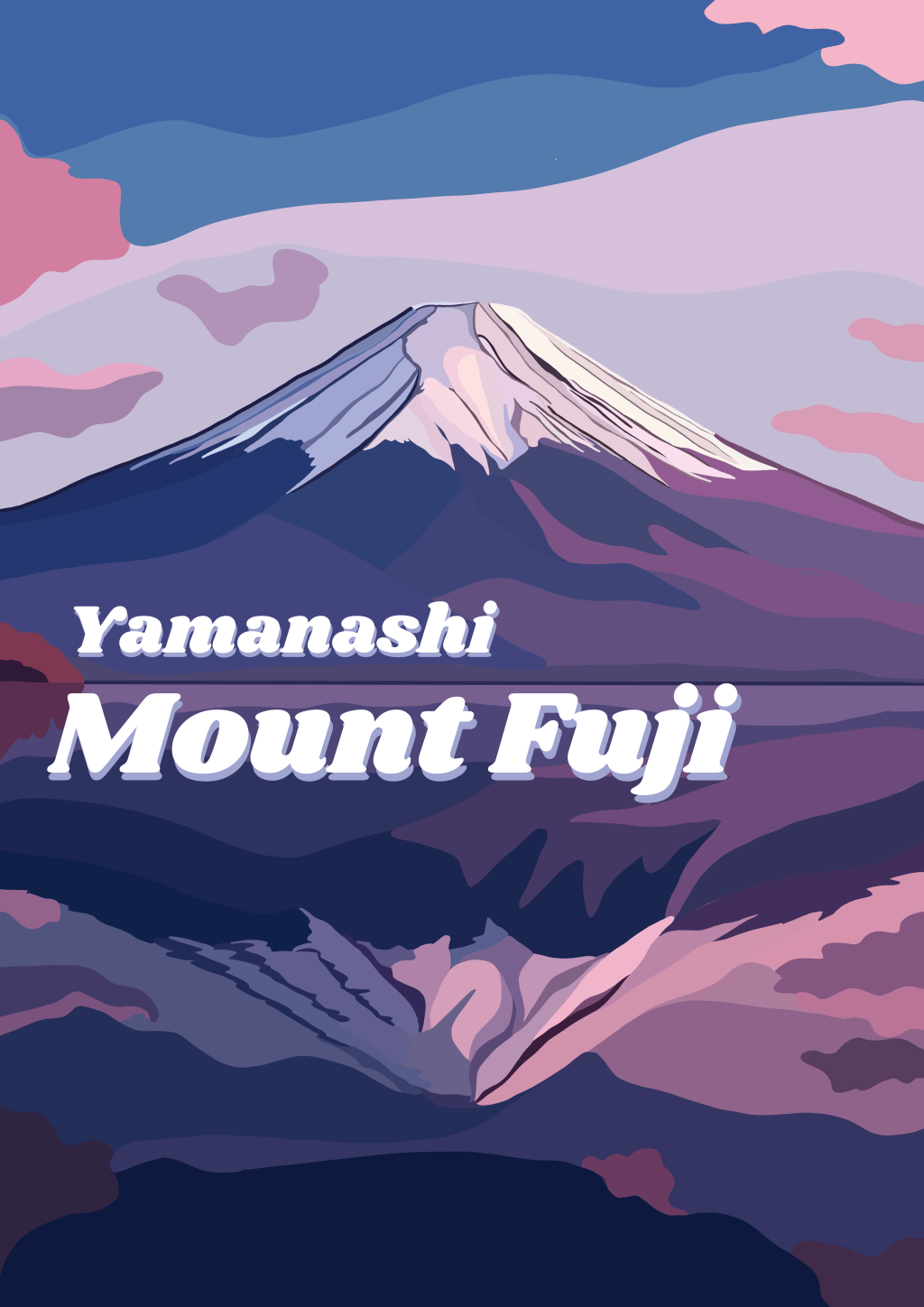
Few places in the world capture the imagination like Mount Fuji. Standing tall at 3,776 meters (12,389 feet), this majestic, snow-capped peak is Japan’s highest mountain and one of its most beloved symbols. Its nearly symmetrical form has inspired countless works of art, poetry, and devotion for centuries. From awe-inspiring hikes to stunning sunrise views, Mount Fuji offers a mystical experience for all who visit. In this blog, we explore the significance of Mount Fuji, the best ways to experience it, and why this UNESCO World Heritage Site continues to captivate travelers from around the world.
The Cultural and Spiritual Significance of Mount Fuji
Mount Fuji holds deep spiritual significance in Japanese culture. Known as “Fuji-san” in Japan, the mountain has long been considered sacred. It is often associated with Shinto and Buddhist beliefs, where it symbolizes immortality, endurance, and strength. Historically, Mount Fuji was seen as the home of Shinto deities, and it remains a popular pilgrimage site for those seeking spiritual fulfillment.
Climbing Mount Fuji, or making a pilgrimage to its summit, has been a tradition for centuries, and even today, many visitors ascend the mountain as a way of connecting with nature and the spiritual world. The ascent itself is often viewed as a meditative experience, a journey that offers physical and mental challenges, as well as moments of reflection amid the beauty of the natural world.
Hiking Mount Fuji: A Journey to the Summit
Climbing Mount Fuji is an experience like no other. While the mountain may seem imposing, the hiking season (from July to early September) offers a well-maintained path to the summit, known as the Yoshida Trail. This trail is the most popular of the four routes, and hikers of all skill levels can embark on the climb, with many opting to start at the Fifth Station, located halfway up the mountain.
For those aiming to catch the famous sunrise, or Goraiko, atop Mount Fuji, an overnight climb is the best way to time your ascent. There are mountain huts along the route where climbers can rest before beginning the final push to the summit before dawn. Watching the sun rise over Japan from the top of Fuji is an unforgettable moment—a spiritual and awe-inspiring experience that makes the climb worth every step.
While the climb is physically demanding, especially in the thinner air near the top, it offers breathtaking panoramic views of the surrounding landscape. From the summit, hikers can see everything from the Fuji Five Lakes to the Pacific Ocean on a clear day. The sight of the shadow of Mount Fuji cast over the land below during sunrise is truly magical.
Mount Fuji from Afar: Scenic Views and Photography Spots
If scaling the mountain isn’t for you, Mount Fuji offers just as much magic from afar. The Fuji Five Lakes region (Fujigoko) offers some of the most beautiful views of the mountain. Located at the northern base of Mount Fuji, the lakes—Lake Kawaguchi, Lake Motosu, Lake Yamanaka, Lake Shoji, and Lake Sai—are surrounded by lush forests and provide mirror-like reflections of the peak on calm days.
Another popular spot to capture Mount Fuji’s beauty is Chureito Pagoda, a five-story pagoda situated on a hillside overlooking the mountain. With cherry blossoms in spring or vibrant autumn foliage framing the pagoda, it’s one of Japan’s most iconic photo opportunities.
The Hakone region, with its hot springs and scenic spots, also provides wonderful views of Fuji-san, particularly from Lake Ashinoko. You can take a boat cruise on the lake or enjoy the views from the Hakone Ropeway, which offers an aerial perspective of the mountain and the surrounding volcanic landscapes.
Mount Fuji in Art and Literature
Mount Fuji’s cultural significance extends beyond religion—it has also been a muse for artists and poets. The mountain is perhaps most famously depicted in Katsushika Hokusai’s series of woodblock prints, Thirty-Six Views of Mount Fuji, which includes the iconic “The Great Wave off Kanagawa.” These prints, created in the early 19th century, not only celebrate the mountain’s beauty but also its significance in Japanese identity and life.
Poets and writers have long turned to Mount Fuji as a source of inspiration, referencing the mountain’s timelessness and its powerful yet peaceful presence in the landscape. In both art and literature, Fuji represents the intersection of nature, humanity, and spirituality.
Visiting Mount Fuji: Practical Tips
If you’re planning a trip to Mount Fuji, here are a few practical tips to keep in mind:
- Best time to visit: The climbing season runs from July to early September, while the best months for viewing Mount Fuji from afar are December through February, when the skies are clearest.
- Access: The most convenient way to reach Mount Fuji from Tokyo is by bus or train, with direct routes to Kawaguchiko (near the Fuji Five Lakes) and the Fifth Station for climbers.
- Weather: Be prepared for changing weather conditions, especially if climbing. Temperatures can drop dramatically near the summit, even during summer.
Mount Fuji Conservation: Preserving a National Treasure
As one of the world’s most iconic natural landmarks, preserving Mount Fuji’s environment is of utmost importance. With millions of visitors each year, the mountain faces challenges related to waste and environmental degradation. Both local authorities and visitors are encouraged to follow sustainable practices when visiting or climbing Mount Fuji. This includes proper disposal of waste, sticking to marked paths, and respecting the natural environment.
Conservation efforts help maintain the beauty of the mountain and its surrounding areas for future generations to experience and enjoy.
Why Mount Fuji Should Be on Your Bucket List
Whether you’re an adventure-seeker eager to climb to the summit or a traveler looking to capture the perfect photo of Japan’s most iconic mountain, Mount Fuji is a destination that offers unforgettable experiences. It’s a place where natural beauty, spirituality, and culture come together, offering both inspiration and reflection.
For those planning to visit Japan, Mount Fuji is a must-see, representing not only the country’s scenic landscapes but also its deep connection to nature and tradition. So pack your hiking boots, charge your camera, and get ready to be awed by the grandeur of Mount Fuji—an adventure that will stay with you for a lifetime.

Carry Mount Fuji with You! Looking for a way to remember your journey to Mount Fuji? Check out our Mount Fuji tote bag featuring a beautiful hand-drawn illustration of this iconic peak. Made from eco-friendly cotton, this stylish and durable tote is perfect for your daily adventures. Plus, $1 from each purchase goes to the World Wildlife Fund to support conservation efforts around the globe. Carry the spirit of Mount Fuji with you, wherever you go!
#MountFuji #JapanTravel #ClimbFuji #JapanNature #HikingMountFuji #AdventureTravel #ToteBagFashion #EcoFriendlyTravel
 Welcome to Panimalia co.
Leave a comment