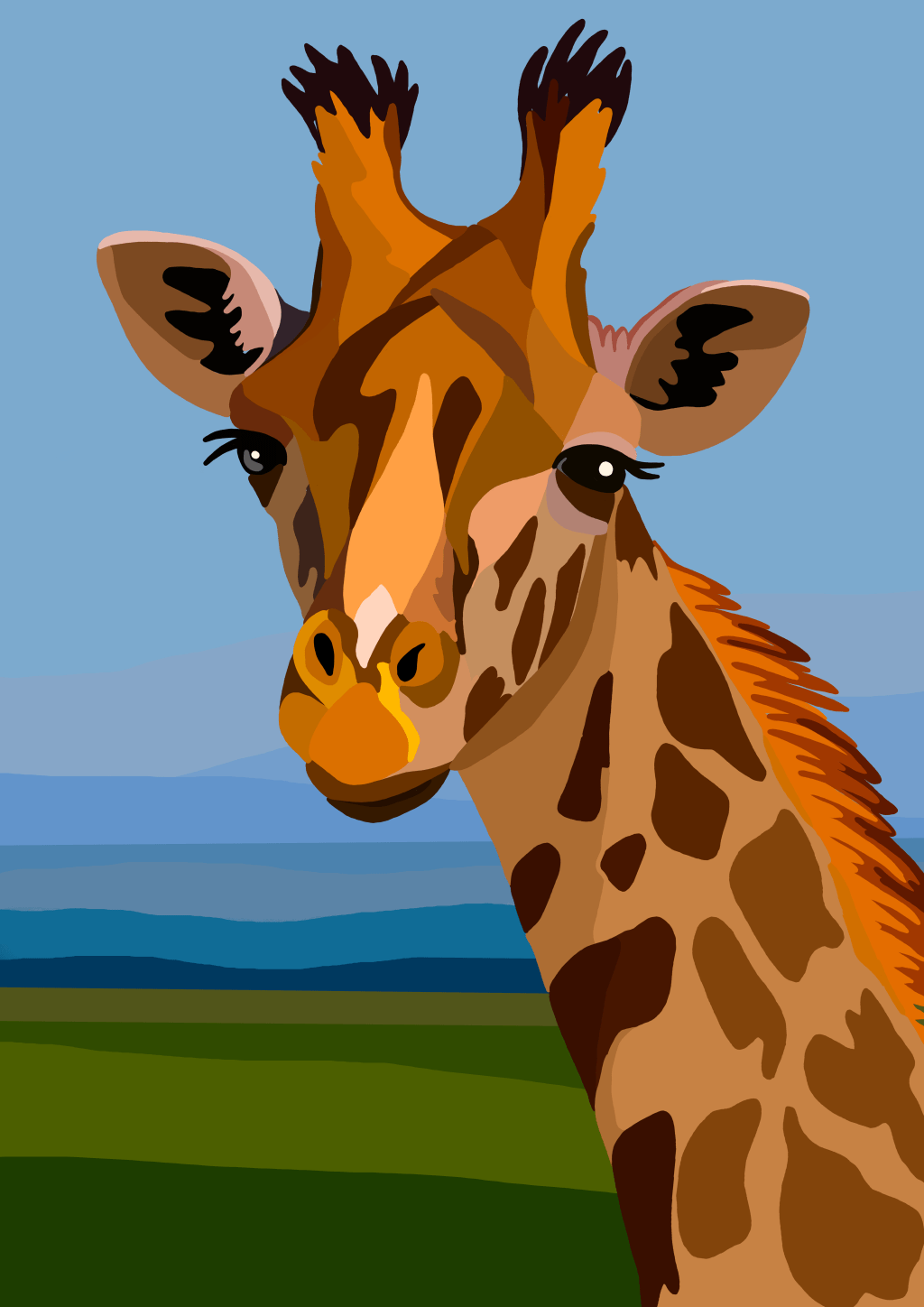
Giraffes are among the most iconic and beloved animals in the world. With their towering height, graceful movements, and striking patterns, these gentle giants are instantly recognisable. Yet, beyond their distinctive appearance, giraffes are fascinating creatures with unique behaviours, social structures, and an essential role in maintaining the balance of their ecosystems. Let’s take a closer look at these majestic animals, their habitat, and the challenges they face in the wild.
Giraffes: The Tallest Mammals on Earth
One of the most striking features of a giraffe is its height. Giraffes are the tallest land mammals on Earth, with adult males (called bulls) reaching up to 18 feet (5.5 meters) tall, and females (cows) standing about 14 feet (4.3 meters). Their long legs alone are taller than many humans, allowing them to cover great distances and run at speeds of up to 35 miles per hour over short distances.
Despite their incredible height, giraffes are gentle and slow-moving, with an elegance that belies their size. Their long necks, which can measure up to six feet, are made up of only seven vertebrae—the same number as in the human neck. However, each vertebra in a giraffe’s neck is much longer, which gives them their remarkable range and height.
Unique Adaptations and Behaviors
The giraffe’s long neck isn’t just for height; it also serves a practical purpose in feeding. Giraffes are browsers, which means they feed primarily on leaves and twigs from trees, especially acacias. Their long necks give them access to the higher branches that other herbivores cannot reach, and their long, prehensile tongues (up to 20 inches) help them grasp and strip leaves from thorny branches. These adaptations allow giraffes to feed efficiently and avoid direct competition for food with other herbivores.
Giraffes also have specialised circulatory systems to manage the blood flow to their brains, which is vital when they lower their heads to drink water. Their hearts are incredibly strong, weighing up to 25 pounds, and pump blood at high pressure to ensure that oxygen-rich blood reaches their brains despite their long necks.
Social Structure and Communication
While giraffes are generally peaceful animals, they are social creatures that form loose, non-territorial groups known as towers. These groups typically consist of females and their young, although males may form bachelor groups or live solitary lives. Within these groups, giraffes communicate through a range of vocalisations, including grunts, hisses, and moans. Interestingly, they are also known to communicate using low-frequency sounds that are inaudible to humans.
Despite their gentle nature, male giraffes engage in a behavior known as “necking” to establish dominance. During necking, males swing their heads and necks at each other, sometimes for hours. These contests can determine which male gains access to a receptive female, though they rarely result in serious injury.
Giraffes in the Ecosystem
Giraffes play a vital role in maintaining the health of their ecosystem. By feeding on the leaves of tall trees, they help promote new growth and maintain a balance between different plant species. Giraffes are also important seed dispersers. As they travel across the savanna, they excrete seeds from the fruits they eat, which helps regenerate plant life in the areas they roam.
Where to Find Giraffes
Giraffes are native to the savannas and open woodlands of sub-Saharan Africa. They are most commonly found in countries such as Kenya, Tanzania, Botswana, and South Africa. One of the most famous places to see giraffes is in Kenya’s Masai Mara National Reserve, where they can be seen roaming the plains alongside other iconic African wildlife.
There are nine recognised subspecies of giraffes, each with slight differences in color, pattern, and habitat range. For example, the Masai giraffe is known for its jagged, irregular spots, while the Reticulated giraffe has a distinct, net-like pattern of spots with sharp edges. These beautiful patterns not only distinguish giraffe subspecies but also help them blend into the dappled light of their natural habitat, providing camouflage from predators.
Conservation Challenges
Despite their beauty and importance to the ecosystem, giraffe populations are declining across much of their range. Habitat loss due to agriculture and human development, poaching, and civil unrest in some areas have all contributed to a nearly 40% drop in giraffe numbers over the past three decades. Giraffes are currently listed as vulnerable by the International Union for Conservation of Nature (IUCN), and some subspecies, such as the West African giraffe, are critically endangered.
Conservation efforts are underway to protect giraffe populations and their habitats. Organisations like the Giraffe Conservation Foundation work to support conservation initiatives, raise awareness, and conduct research to ensure that these gentle giants continue to thrive in the wild. Protecting giraffes not only preserves one of nature’s most extraordinary creatures but also helps maintain the delicate balance of the ecosystems they inhabit.
How You Can Help
You can contribute to giraffe conservation by supporting wildlife organisations that protect these animals and their habitats. Additionally, raising awareness about the challenges giraffes face and advocating for sustainable land use practices can make a significant difference. Every effort, no matter how small, plays a role in ensuring that future generations will have the opportunity to witness the beauty and grace of giraffes in the wild.
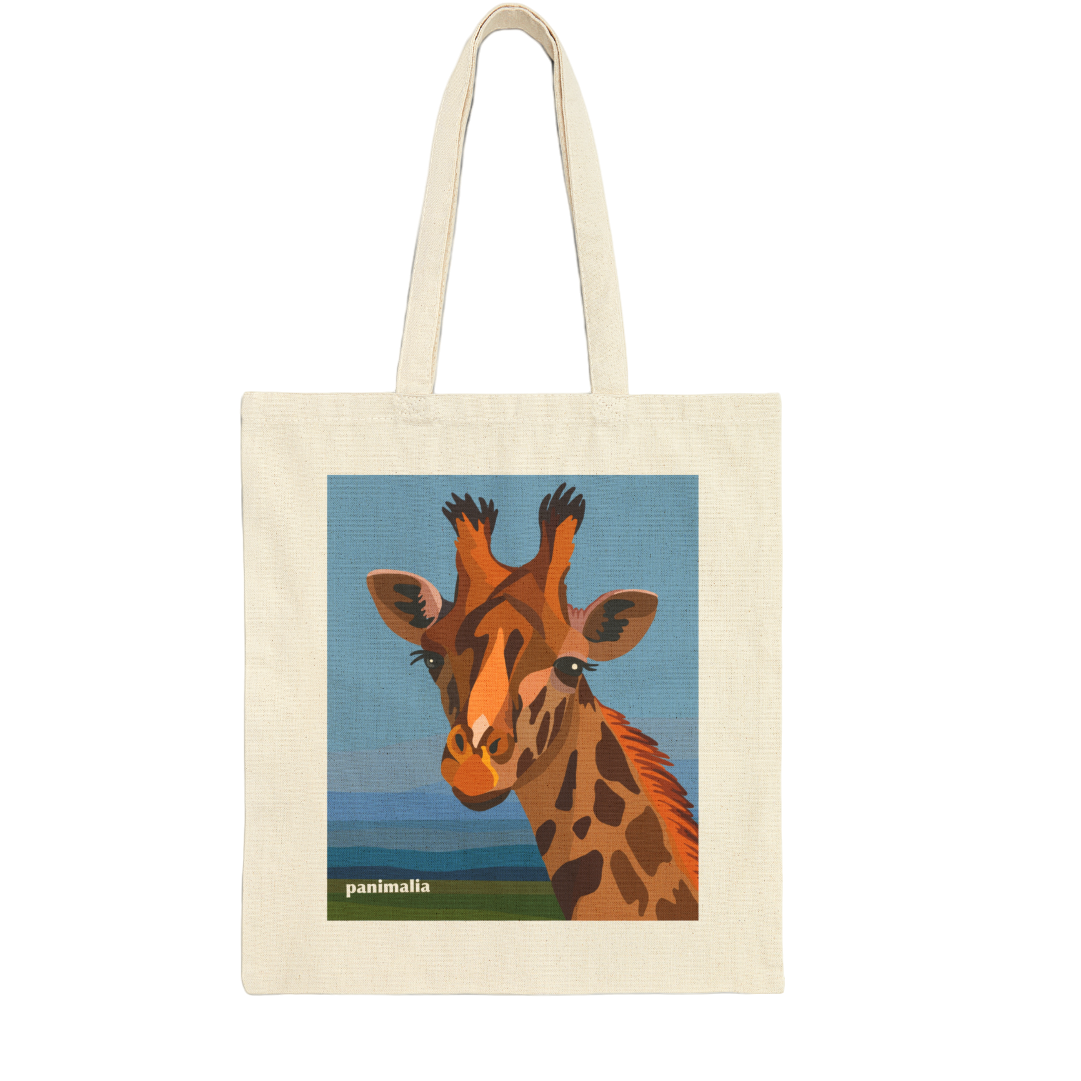
Our eco-friendly cotton canvas tote, adorned with a hand-drawn illustration of the majestic giraffe, is the perfect way to celebrate and support these incredible animals. Made from durable, premium cotton, this spacious tote is designed for style, practicality, and sustainability. By choosing this bag, you’re not only making a fashion statement but also contributing to giraffe conservation efforts, as $1 from every purchase goes to the World Wildlife Fund. Carry the grace of the giraffe with you on your daily adventures, and help protect their future while adding a touch of the wild to your wardrobe!
Conclusion
Giraffes are truly one of nature’s wonders, embodying both beauty and grace in the animal kingdom. From their towering height to their gentle social behaviours, giraffes captivate the imagination and inspire awe in everyone who encounters them. As we continue to work toward conserving these magnificent animals and their habitats, it’s important to remember that the preservation of giraffes is not just about saving a species—it’s about protecting the delicate balance of our natural world.
 Welcome to Panimalia co.
Leave a comment